
How to Grow Microgreens
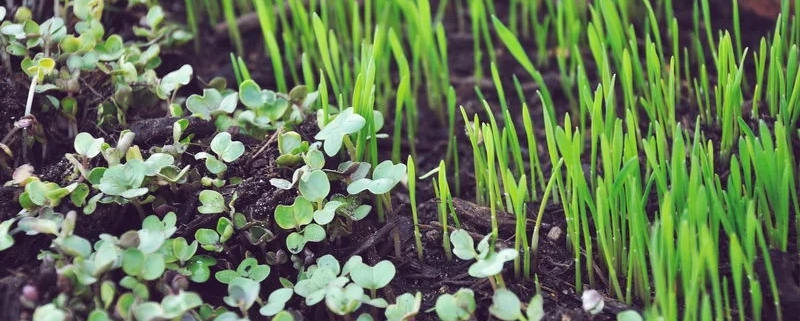
Microgreens are a crop category comprised of various species of young greens, herbs and vegetables in their early growth stage. They are highly nutritional, very easy to grow and can be harvested very quickly. Microgreens are considered to be baby plants. They are not to be confused with sprouts, which do not have leaves and also have a much shorter growing cycle of 2–7 days, versus microgreens that are harvested usually at the two-leaf stage, when they have grown to 1-3 inches. Microgreens are typically harvested between 10 – 21 days after sowing.
Microgreens may be grown through the Sprinkle Method of cultivation as with Keerai and herbs, the only difference being that they need to be harvested earlier.
To keep the base free from fungal growth, microgreens can be grown in potting mixture that is loose, light and very rich. This mixture can also contain coco-peat.
While the adult versions of microgreens may have specific space and shade requirements that limit where you can plant them, if you are cultivating a particular crop only as a microgreen, you can even do so indoors, somewhere well lit and warm, like on a windowsill.
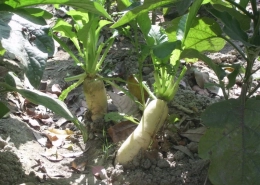
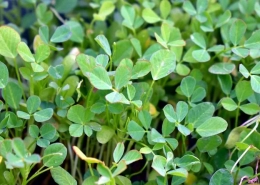
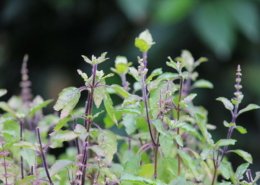
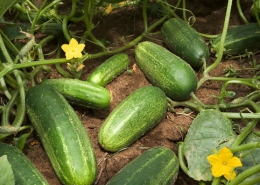
The following crops may be grown as microgreens:
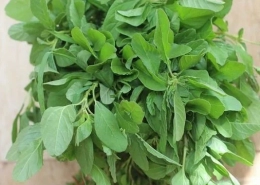 © seedsofindia
 © Mokkie
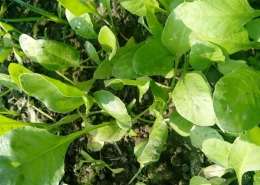 © Kayser Ahmad
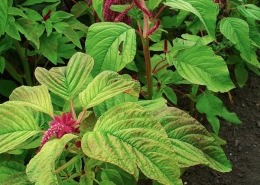 © H Zell
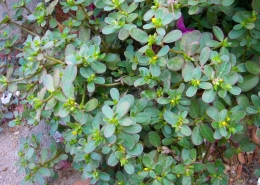 © John Comeau
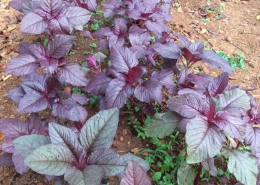 © rshiny03
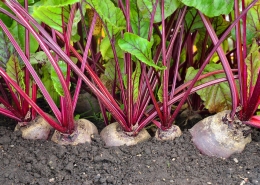 Tatiana Volgutova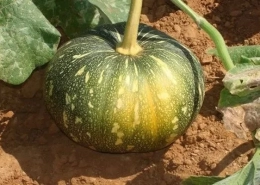
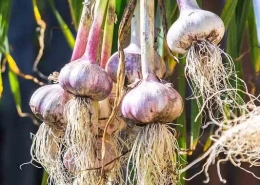 © Laura Melchor
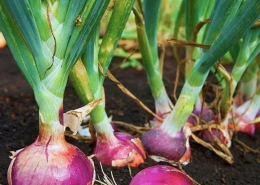 © Stephen Ausmus
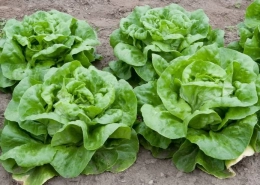 © Dwight Sipler
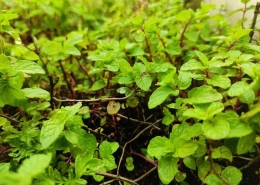 © Tanuj Handa
 © Ctg4Rahat
 © Sandeep Handa
 © Chinmayee Mishra
 © Stephen Ausmus /USDA ARS
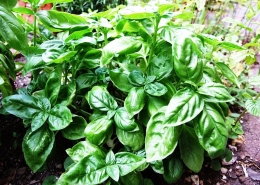 © Castielli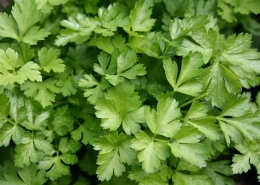
REFERENCES
Personal Conversation with Mrs. K. Parimala, Sempulam Sustainable Solutions Private Limited
Personal Conversation with Mr. Alladi Mahadevan, The Organic Farm